The Knotweed Ledger: Turning a Treated Garden Into a Saleable Asset in 2026
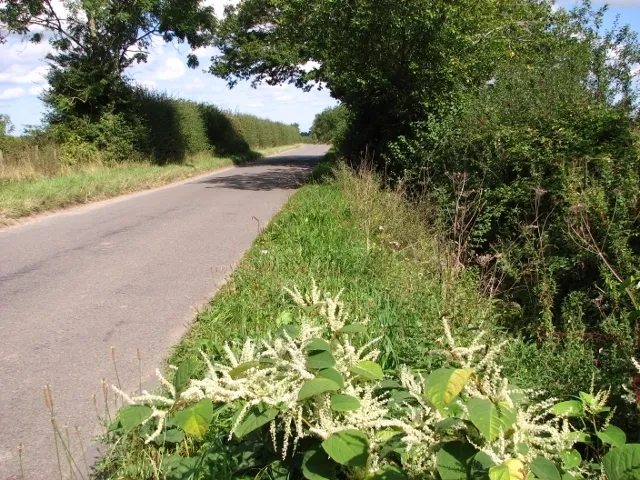
Photo: Evelyn Simak , CC BY-SA 2.0, via Wikimedia Commons
Japanese knotweed occupies a disproportionate place in the minds of many buyers. The plant is treated as a warning sign, sometimes before its actual impact on a property has been assessed. In 2026, the more useful question is not whether knotweed has ever been recorded in a garden, but whether there is a credible record of identification, treatment and future management. That record is something a seller can assemble.
What buyers are really weighing
The concern is understandable. Knotweed can spread aggressively, and its presence near structures, boundaries or drainage can raise questions about damage and liability. Lenders may ask for a management plan, and some buyers will walk away at the first mention of the plant. Yet many transactions proceed where the infestation has been professionally surveyed and treated. The difference is usually evidence.
A garden with a managed history is not the same as a garden with an undisclosed problem. The first can be assessed; the second invites suspicion.
Build the file before listing
A useful knotweed file should begin with a survey from a contractor accredited by the Property Care Association or an equivalent recognised body. The survey should identify the plant, record its location on a plan and state whether it is on the seller's land or a neighbouring property. It should also distinguish between an active infestation and regrowth following treatment.
Treatment records should follow. These may include herbicide application dates, site visits, photographs and invoices. Where excavation has taken place, the file should include the method used, the disposal route and any completion documentation. If a guarantee has been issued, the seller should check whether it is insurance-backed, how long it runs and whether it can be transferred to a buyer. A ten-year insurance-backed guarantee is often regarded more favourably than a contractor's letter alone, but the terms matter.
Disclose, do not disguise
The property information form will ask about knotweed. A seller should answer accurately and provide the supporting file at the same time. Attempting to describe an active infestation as a historic nuisance, or omitting a guarantee that has lapsed, creates a legal risk and a practical one: the buyer may discover the gap during conveyancing and lose confidence in the rest of the transaction.
Disclosure should be proportionate. The seller does not need to place knotweed at the centre of the estate agent's particulars, but the agent should know the position so that enquiries can be handled consistently. A short summary of the treatment history, the guarantee status and any maintenance obligation is usually enough to begin the conversation.
Frame a managed history as a strength
In local market terms, knotweed is often treated as a stigma rather than a technical issue. That perception can be shifted by showing that the problem has been addressed systematically. A seller can present a simple timeline: survey, treatment, monitoring and guarantee. If the guarantee requires annual inspections, the file should show that those inspections have been carried out.
This is particularly important where the plant has affected a boundary or a shared area. A plan showing the treated zone, together with correspondence with the neighbour or managing agent, can reassure a buyer that the responsibility is understood. It also helps the buyer's solicitor frame the enquiries rather than speculate.
What to fix before listing
Where there is active growth near a building, or where treatment records are incomplete, the seller should take advice before marketing. A fresh survey may be more valuable than a hurried assurance. DIY treatment is rarely persuasive and can disturb the plant without resolving the issue.
If a guarantee has expired, the seller should ask the contractor whether it can be renewed or whether a new management plan is available. If the guarantee is transferable, the transfer fee and procedure should be established early. These are modest administrative steps compared with the delay that a missing document can cause after a buyer has committed to the purchase.
The sale process
A knotweed file should be passed to the solicitor and the agent at the same time as the draft particulars. The lender's valuer may not inspect the garden closely, but the buyer's conveyancer will ask about guarantees and treatment. A seller who can answer promptly, with dated evidence, keeps the transaction moving.
In 2026, buyers are entitled to be cautious. They are also entitled to clear information. A treated garden with a well-kept ledger is a different proposition from an unmanaged infestation, and it should be presented as such.