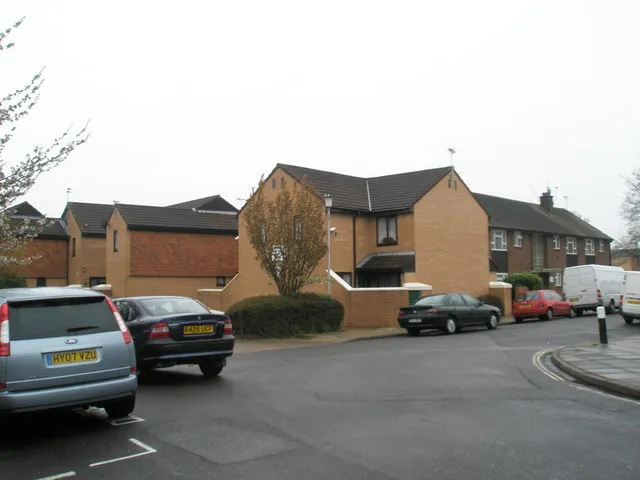
The Turnover Test: Selling a Home on a Street of Short-Stay Properties in 2026
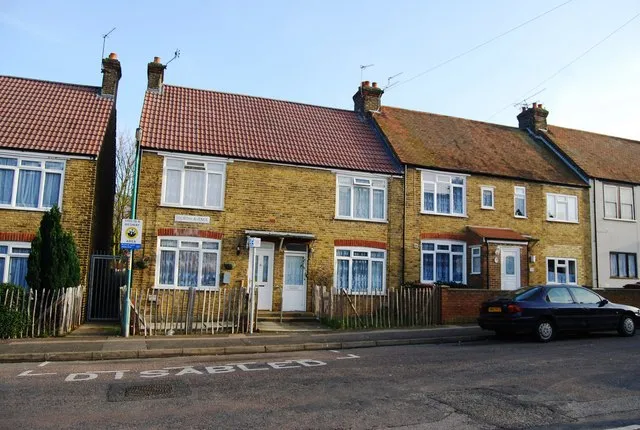
Photo: Nigel Chadwick, CC BY-SA 2.0, via Wikimedia Commons
On a street where keys change hands more often than the seasons, a for-sale board can invite questions before a buyer reaches the doorstep. Short-term lets are now a familiar part of many UK neighbourhoods, from coastal towns and city centres to commuter villages with a steady weekend trade. For sellers in 2026, the task is not to pretend that the street is something it is not, nor to assume that every nearby let will derail a sale. It is to understand what buyers notice, what lenders and valuers may ask, and how to present the property with calm, factual clarity.
What Buyers Read Into a Street of Short Lets
Buyers rarely object to a single well-run letting. What unsettles them is uncertainty: who will be next door, how often the property changes hands, who manages it and what recourse exists if something goes wrong. Those questions surface through small signals — a key safe by the door, cleaning vans on a Friday, unfamiliar cars in residents' bays, bins put out on the wrong day. A seller cannot control those signals, but can help a buyer interpret them.
It is useful to think in terms of predictability rather than popularity. A street with a handful of professionally managed short stays may feel no different from one with a busy guest house or a rented flat above a shop. A concentration of unmanaged lets, by contrast, can alter how a buyer views the rhythm of daily life. The distinction matters when pricing and presentation are being planned.
Well-Managed Lets and Persistent Nuisance
A well-managed short let usually has a named manager, a contact number for out-of-hours problems, clear guest rules and arrangements for waste and parking. Where the local authority operates a licensing scheme, the property should hold the relevant licence. Professional cleaning, sensible changeover times and a log of complaints are all signs that the let is being run with the street in mind.
A persistent nuisance looks different. It may involve unresolved noise, overflowing bins, anti-social behaviour, unauthorised parking or an absence of any responsible contact. Sellers should not exaggerate these problems, but neither should they dismiss them. If there is a documented history, take advice from a solicitor before listing. A short factual note is usually more persuasive than an informal assurance that everything is fine.
Mortgages, Valuations and the Concentration Question
Lenders do not normally refuse a mortgage simply because a short let exists nearby. Valuers, however, comment on location, and a high proportion of transient occupation can influence how comparable evidence is weighed and how marketable a property appears. For flats, lease terms and block management may matter as much as the street itself. Some lenders ask about known local issues or unusual features, and buyers may be required to explain them.
This is not a reason to overstate the risk. Many buyers are entirely untroubled by a well-run let, particularly where it supports local amenities. But where the street has a documented history, the sale should reflect it. A clear pack — licensing details, managing agent information and any known planning position — can help a buyer's lender and valuer reach a considered view.
Disclosure and Material Information
Sellers should answer questions truthfully. The property information form asks about disputes and notices, and not every short let amounts to a dispute. If complaints or enforcement action have occurred, seek professional advice. Under the material information requirements for property listings, certain facts must be presented clearly; nearby short lets are not automatically a required field, but they may be material to a buyer's decision.
A brief, factual statement is often the best approach: how many short lets operate on the street, whether they are licensed, who manages them and what is known about their planning position. Transparency is not an admission of defect. It is evidence of good faith and gives buyers less room for speculation.
Presentation on Viewing Day
Time viewings when the street is at its quietest, but do not attempt to disguise obvious activity. Make parking arrangements clear and ensure any shared access is explained. Secure your own boundaries where possible, and keep communal areas tidy if you have influence over them. Double glazing, sound insulation, a private driveway and a well-kept frontage all help a buyer focus on the home rather than the comings and goings.
Encourage a second visit at a different time of day. A buyer who sees the street on a Saturday morning and again on a Tuesday evening will form a more balanced view than one who sees only a staged snapshot. Resistance to a second viewing often creates more doubt than the street itself.
Pricing Against Mixed Evidence
Do not apply a short-let discount automatically. Look at sold prices on the street and nearby, adjusting for condition, parking and garden. If short lets are concentrated, the pool of buyers may narrow, which is a marketing consideration rather than a fixed reduction. A well-managed let may have little measurable effect. A persistent nuisance may lead buyers to price in risk.
The aim is realism without defeatism. Local agents know which roads carry a premium and which carry questions, and that knowledge should inform the asking price from the outset.
A Final Word
Short-term lets are part of the 2026 housing landscape. Sellers who understand the difference between a managed let and a nuisance, who disclose clearly and present calmly, are better placed to keep a sale on course. Estates Mitchell has been advising homeowners since 1998, and local knowledge includes the changing character of a street. The objective is not to disguise that character but to explain it.