The Measuring Visit: Preparing Your Home for a Buyer's Second Inspection in 2026

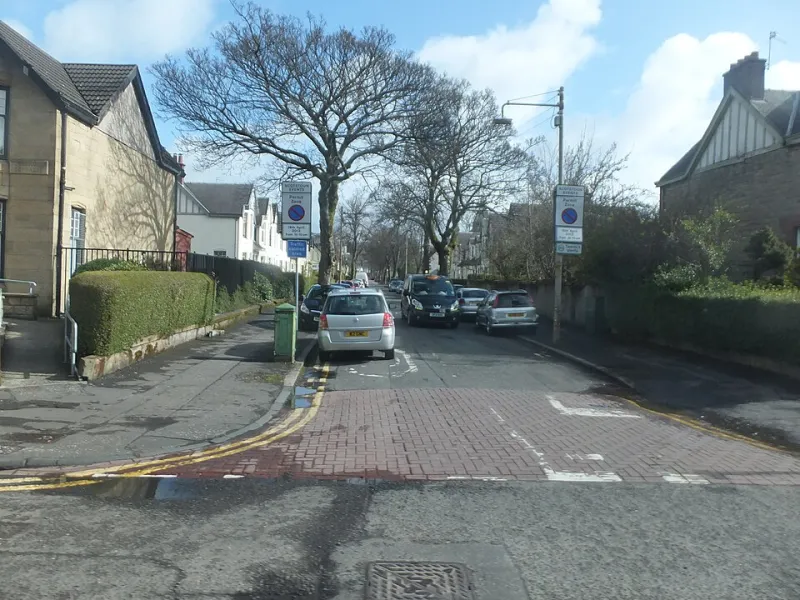
Photo: Betty Longbottom, CC BY-SA 2.0, via Wikimedia Commons
First viewings are governed by feeling. A buyer notices the light in the hall, the width of the sitting room and whether the house feels like somewhere they could live. The second viewing is a different exercise. It is quieter, more forensic and usually attended by someone who has been asked to be sceptical. In 2026, with buyers carrying more information before they even arrive, the return visit has become less a reaffirmation of desire and more a practical audit.
At Estates Mitchell, we have seen this shift clearly. The buyer who comes back is not usually looking for a reason to fall in love again. They are looking for reasons to proceed, or for reasons to negotiate. Sellers who understand that distinction can prepare well without turning their home into a showroom or appearing defensive.
Why the Second Viewing Is a Different Exercise
The first visit answers the question: could this be our home? The second answers: what will it cost us to live here, and what have we not been told? Buyers often bring a partner, a parent or a friend with a professional eye. They may bring a tape measure, a phone for photographs and a list of questions saved on a note. Their attention moves from the decorative to the functional.
This is not a sign of disloyalty. It is a sign that the purchase is becoming real. Sellers should expect the second visit to be slower, more probing and less conversational. The aim is not to stage a performance but to provide a calm, accurate account of the property.
A Room-by-Room Checklist for Sellers
Kitchen and utility
Buyers frequently open cupboards and measure internal depths, especially in older homes where storage looks generous from the outside but proves shallow inside. They check whether a full-size dishwasher or fridge will fit in the stated gap. They run taps to test water pressure and watch how quickly a sink drains. Extractor fans, worktop wear and the condition of seals around sinks are all noted. If any appliance is included in the sale, expect questions about age, service history and warranties.
Bathrooms
Water pressure is one of the most common second-visit tests. Buyers may run the shower, flush a toilet and turn on a tap at the same time. They look for signs of damp around seals, poor ventilation and whether the bathroom feels cold or clammy. Storage matters too: a family with children will notice whether there is room for towels, toiletries and bath toys. If there is a known issue with drainage or temperature, it is better to have a straightforward explanation ready than to hope it goes unnoticed.
Living rooms and connectivity
Mobile signal and broadband speed have become standard checks. Buyers may stand in different corners of the room to see how many bars they have, or ask what speed the current occupiers receive. They look at socket positions, television aerials and whether furniture layouts will work around radiators or chimneys. Floor levels, sticking doors and window operation are also tested. These are not trivial details; they shape the daily experience of the home.
Bedrooms and the view
The view from the back bedroom is often examined more carefully on a second visit. Buyers may look out at neighbouring properties, rooftops, trees or car parks and consider privacy, noise and outlook. They open wardrobes to judge hanging space and check whether loft access is practical. Heating and insulation in bedrooms matter, particularly in older properties where the back of the house can be colder. A seller can help by ensuring windows open freely and that any known issue, such as a loose pane or a radiator that needs bleeding, has been addressed.
Hall, parking and the school run
Parking is rarely a first-viewing concern, but it becomes practical on the return. Buyers may visit at a different time of day to see how easy it is to park, whether bins obstruct the pavement and what the street feels like when schools are finishing. If parking is on-street or shared, be clear about the arrangements. If a driveway is tight, say so. Buyers respect accuracy more than optimism when they are planning their morning routine.
Garden and outbuildings
Outside, buyers check boundaries, drainage, aspect and the condition of fences. They may ask about access to the garden, whether neighbouring properties have rights of way and how much maintenance the planting requires. Sheds, garages and garden offices are inspected for power, damp and structural soundness. A second visit is also when buyers notice noise from nearby roads, railways or commercial premises. Sellers should not pretend these factors do not exist; they should describe them plainly and let the buyer judge.
Building a Practical Second-Viewing Pack
A small pack can be helpful, but it should not feel like a defensive dossier. Keep it short and relevant. Consider including the EPC, any service records for the boiler or appliances, broadband information if known, and a simple note on parking arrangements. If there are recent quotes for work, such as repointing or a new fence, have them available. The pack should answer likely questions, not anticipate every objection.
It is equally important to give buyers space. A seller who follows them from room to room can make the visit feel tense. Offer to be on hand for questions, then allow them to look properly. If they want to measure a cupboard or test a tap, let them. The second viewing works best when it feels like an ordinary inspection rather than a guided tour.
When a Buyer Finds Something Awkward
Awkward discoveries happen. A buyer may notice a hairline crack, a damp patch behind a wardrobe or a boiler that looks older than expected. The worst response is to dismiss the concern or become defensive. A better approach is to acknowledge it, explain what is known and offer a practical next step. If a specialist report exists, share it. If not, suggest that the buyer obtains one. Honesty at this stage often strengthens trust, even when the news is not perfect.
Sellers should remember that buyers are not usually looking for a reason to walk away. They are looking for reassurance that the property is being presented fairly. A calm, factual response to an awkward question is more persuasive than a polished evasion.
Letting the Visit Do Its Work
The second viewing is a milestone, not a verdict. Buyers will leave with a mixture of practical notes and emotional impressions. Sellers can influence the practical side by ensuring the house is clean, accessible and honestly described. They cannot control every conclusion, and they should not try. In 2026, the most successful sales are often those where the second visit confirms what the first visit promised: a home that has been looked after and a seller who has nothing to hide.
A measured visit is not a hostile one. It is simply the point at which a buyer stops imagining and starts planning. Prepared well, it can turn interest into confidence.