When the Public Crosses the Plot: Selling a Home With a Recorded Right of Way in 2026
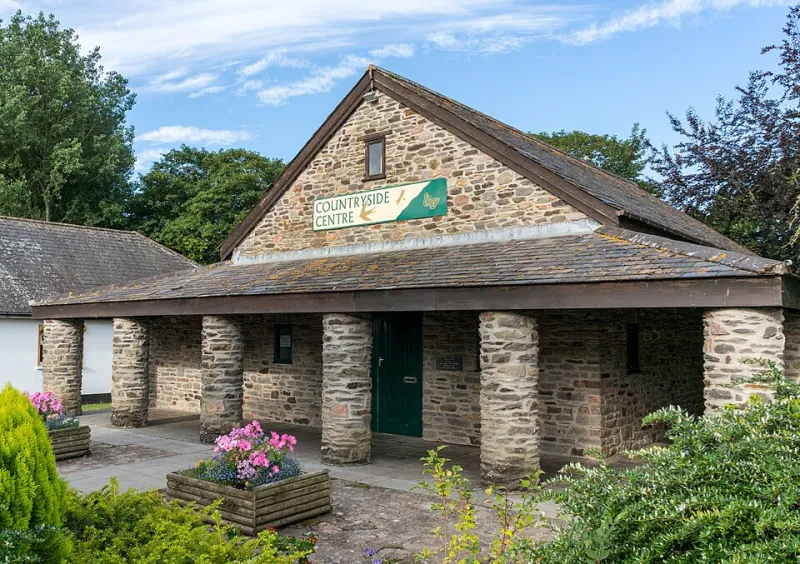
Photo: Dietmar Rabich, CC BY-SA 4.0, via Wikimedia Commons
A public right of way crossing private land is one of the more misunderstood features in a residential sale. Some sellers fear it will deter every buyer; others assume a faintly worn track poses no issue at all. Neither position is reliable. What matters is the recorded legal position, the practical effect on the property, and the quality of the information provided before a buyer commits.
In England and Wales, public rights of way are ordinarily recorded on the definitive map maintained by the local highway authority. They may take the form of a footpath, bridleway, restricted byway or byway open to all traffic. A route shown on a title plan is not necessarily public, and a route used by neighbours is not necessarily private. Establishing which category applies is the first task, and it should be completed before the property is marketed rather than after an offer is accepted.
Establish the recorded position first
The seller's starting point is the title. An official copy of the register and title plan will show registered burdens, coloured routes and any notices or covenants. These documents are useful but not conclusive: the definitive map held by the highway authority is the statutory record of public rights of way, and it should be checked directly. The local authority's online mapping may provide a preliminary view, but a formal search or enquiry through the conveyancer remains the safer course.
It is equally important to distinguish a public right of way from a private easement. A shared driveway, a neighbour's right of access or a utility company's right to maintain apparatus can all appear as lines on a plan, yet each has different implications. A private easement usually benefits a defined property or utility; a public right of way may be exercised by any member of the public. Confusing the two can lead to inaccurate marketing and, worse, to enquiries that surface only at the point of exchange.
The condition of the route should also be recorded. Are there gates, stiles, kissing gates or footbridges? Has the surface been maintained, and by whom? Is the route obstructed at any point? A seller should be able to explain these matters plainly, with photographs where helpful, because a buyer's solicitor will ask about them.
What buyers and lenders actually examine
Mortgage lenders are generally accustomed to public footpaths and bridleways. A recorded route is rarely a bar to lending in itself. Lenders tend to focus on matters that could affect the property's value or security: whether the route passes unusually close to the dwelling, whether it compromises privacy or security, whether there are maintenance liabilities, and whether any dispute exists. A well-documented path with no history of difficulty is usually treated as a manageable feature rather than a defect.
Buyers, however, read the issue through a more personal lens. They may ask how often the route is used, whether dogs are walked there, whether the garden feels overlooked, and whether they can lawfully erect a fence or gate. Some will be entirely unbothered; others will decide the property is unsuitable within minutes. The seller's task is not to persuade every buyer that the route is an advantage, but to ensure that no buyer is surprised later.
The property information form completed during a sale will ask directly about rights of way, disputes and notices. Answers should be consistent with the title documents and with what is visible on the ground. An omission or a casual reassurance that later proves inaccurate can delay a transaction and, in serious cases, give rise to a claim. Candour is not merely an ethical preference; it is the practical route to a completed sale.
Presenting the route without alarming the market
Marketing a property with a public right of way requires a measured approach. The route should be identified on the sales particulars or in a plan, with a short factual note explaining its status and alignment. It is rarely wise to bury the point in small print, and it is equally unwise to lead with it as though the property were compromised. A neutral sentence in the particulars, supported by a clear plan, gives buyers the information they need without setting an anxious tone.
Photographs deserve care. A route that runs along a boundary or through a wooded edge may appear unremarkable in a general garden photograph. A route that passes close to a patio or kitchen window should not be cropped out. Buyers who arrive for a viewing and discover a well-used path that was absent from the listing will question what else has been omitted. A simple plan showing the route, the dwelling and the boundaries will often do more for confidence than any amount of prose.
Estate agents should brief viewers before appointments. A short, factual explanation allows the viewing to focus on the house rather than on a sudden discovery at the garden gate. Sellers should also consider practical presentation: a well-maintained gate, a clear route and an absence of clutter will suggest that the path is a normal part of the property's operation rather than an neglected burden.
When a path is an asset, not a defect
There are circumstances in which a recorded route supports value. In villages and rural fringe locations, access to a wider network of footpaths is a recognised amenity. A property that sits on a circular walk, connects to a bridleway or offers direct access to open countryside may appeal to buyers who value walking, riding or simply the sense of connection to the landscape. The route then becomes part of the location's appeal, provided it is described accurately and does not compromise the private garden.
A path can also be neutral. Many routes run along a frontage, a boundary or an unenclosed strip and have little bearing on the use of the dwelling. In these cases the seller's objective is reassurance: the route exists, it is lawful, it has caused no difficulty, and it is understood by the local authority. A concise evidence pack of title documents, search results and any maintenance correspondence will often satisfy a buyer's solicitor and keep the transaction moving.
Where the route passes through the private garden itself, the calculation is more delicate. Buyers may still proceed, but they will want to understand the frequency of use, the legal ability to install a gate, and whether any diversion has been considered. A seller should not promise a diversion that has not been agreed. Speculative claims about future changes are a poor substitute for a clear statement of the current position.
Preparing the pack before launch
Before a property is listed in 2026, the seller should assemble the relevant documents: the official title register and plan, any definitive map extract, searches and enquiries, correspondence with the highway authority, and a short note on maintenance and condition. These should be available to the conveyancer and, where appropriate, summarised in the agent's particulars. Early preparation reduces the risk of a buyer withdrawing after weeks of enquiries.
The estate agent's role is to describe, not to adjudicate. A formal tone, a clear plan and consistent answers will serve sellers better than an overconfident dismissal of the path or an alarming emphasis upon it. A public right of way is a legal fact about the land. Handled with care, it can be disclosed, understood and priced into a sale without derailing it.