Renewables Without Ambiguity: Documenting Solar and Battery Equipment for a 2026 Sale
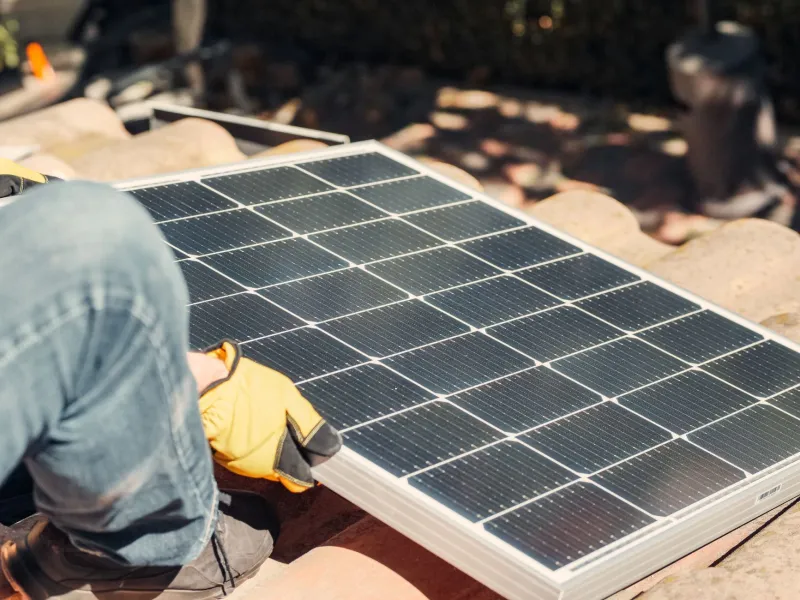
Renewable energy equipment has moved from novelty to normality in many parts of the UK housing market. A roof fitted with solar photovoltaic panels, a garage wall carrying a battery inverter or a garden with a heat pump is no longer unusual. Yet the presence of the equipment is only half the story. In a 2026 sale, the questions that matter are who owns it, who installed it, what guarantee remains and whether the necessary permissions were obtained. The answers are found not on the roof but in the paperwork.
For sellers, this is an opportunity rather than a burden. A well-documented renewable installation can reassure a buyer, satisfy a lender and reduce the scope for renegotiation. A poorly documented one can be treated as an unknown risk, even when the equipment itself is sound. The distinction is rarely about the technology. It is about evidence.
Why the paperwork surfaces at offer stage
Buyers often admire solar panels during a viewing and then ask practical questions once an offer is made. Solicitors and conveyancers will raise enquiries. Lenders may ask whether the equipment is owned outright, whether it is leased, whether it affects the property's security and whether any third party has rights over the roof. Insurers may wish to know about batteries and their location. None of these questions is unreasonable. Each is easier to answer when the seller has prepared a clear record before the property is listed.
The seller's aim should be to remove ambiguity. A buyer who understands what is being sold, what remains under warranty and what obligations run with the property is better placed to proceed. A buyer faced with vague assurances may seek a price reduction or withdraw altogether.
The core documents to assemble
A useful starting point is the MCS certificate. For installations certified under the Microgeneration Certification Scheme, this document identifies the equipment, the installer and the date of commissioning. It is commonly requested by buyers, solicitors and lenders. Where the installation predates the current certificate format, or where it was not MCS-certified, the seller should say so plainly and provide whatever alternative evidence exists, such as the original installation invoice, commissioning records or photographs.
Building regulations evidence should also be gathered. Solar panels, batteries and heat pumps can engage building control requirements depending on the installation and the property. Any completion certificate or compliance notice should be kept with the handover pack. So should the installer's guarantee, the manufacturer's warranty and any extended warranty documentation. These documents should show the equipment serial numbers, the warranty period, the transferability terms and any servicing conditions.
A concise installation file is more useful than a shoebox of receipts. Sellers should consider a simple schedule listing each item of equipment, its make and model, its serial number, the installation date, the installer and the relevant warranty. This allows a buyer or conveyancer to cross-check the documents quickly.
Ownership, leases and freeholder consent
One of the most important distinctions is between owned and leased equipment. Most domestic solar installations are owned outright by the homeowner, but some are subject to a roof lease or similar arrangement under which a third party retains an interest. If any such agreement exists, it must be disclosed early. A roof lease can affect a lender's willingness to lend and a buyer's willingness to proceed, and it may impose obligations on future owners.
Leasehold sellers should also check whether freeholder consent was required and, if so, whether it was obtained. This applies not only to the panels themselves but also to cable routes, inverter locations, battery storage and any alteration to communal areas. In flats and maisonettes, the position may depend on the lease and on the freeholder's attitude to alterations. Written consent is far more valuable than an informal recollection that permission was given.
Where the property is in a conservation area, is listed or falls within another planning constraint, sellers should keep any planning permission, lawful development certificate or installer confirmation that permission was not required. The same principle applies to heat pump siting and to any external battery enclosure.
Batteries, heat pumps and servicing records
Battery storage introduces additional questions. Buyers and insurers may ask where the battery is located, whether it is inside the dwelling or in an outbuilding, what fire safety information accompanies it and whether the installation complied with the manufacturer's requirements. Heat pumps raise questions about servicing, refrigerant type and maintenance. Sellers should provide the service history where available and be honest where it is incomplete.
It is also sensible to confirm that the equipment is included in the sale. Fittings that a buyer might assume are part of the property can become a point of dispute if the seller intends to remove them. The fixtures and fittings form should be clear about panels, inverters, batteries, controllers and any monitoring equipment.
Presenting the evidence without overclaiming
Sellers should avoid presenting renewable equipment as a guaranteed financial return. Tariff arrangements, export payments and energy prices change, and what one household saved may not be replicated by another. A more credible approach is to provide the documented facts: the capacity of the system, its commissioning date, the warranty position, the servicing record and any known limitations. If the system has been monitored, a summary of generation data can be helpful, but it should be presented as historical information rather than a promise.
A short covering note can be useful. It might explain that the installation file is available on request, identify the key documents and confirm that the seller will respond to reasonable technical enquiries. This is particularly valuable where the original installer is no longer trading. In that situation, the manufacturer's warranty and any insurance-backed guarantee become more important, and the seller should explain the position clearly.
A practical checklist before listing
Before the property is marketed, sellers should gather the MCS certificate, building regulations evidence, installer and manufacturer warranties, service records, planning or consent documents, roof lease or freeholder permissions where relevant, and confirmation of what is included in the sale. They should check that names and addresses on the documents match the property and be ready to explain any gaps.
Renewable equipment need not complicate a sale. Treated as an evidenced improvement, it can strengthen the property's appeal and answer the questions that buyers and lenders will ask anyway. Treated as an unexplained extra, it can become a source of delay. The difference lies in preparing the record before the first viewing, not after the first enquiry.