Eleven Signals at the Doorstep: What Buyers Read Before the Hallway in 2026
Photo: Diliff, CC BY-SA 3.0, via Wikimedia Commons
Accompanied viewings teach an agent to watch the buyer as much as the property. Long before the hallway, the buyer is reading the approach, the parking, the neighbouring houses and the condition of the front door. Since 1998, Estates Mitchell has seen how quickly those judgements form, and how often they are made in the first minute. In the darker autumn and winter of 2026, with viewings frequently taking place after work or in low light, the doorstep deserves as much preparation as the kitchen.
Why the First Minute Matters
A buyer arriving at a property is not yet assessing the floor plan. They are asking a simpler question: does this feel cared for? That question is answered by small cues before the front door opens. An untidy approach, unclear parking or a neglected neighbouring property can create doubt that no amount of interior styling will fully remove. The reverse is also true. A clean path, a working doorbell and a well-lit entrance can buy a seller valuable goodwill before the viewing begins.
The Eleven Signals
-
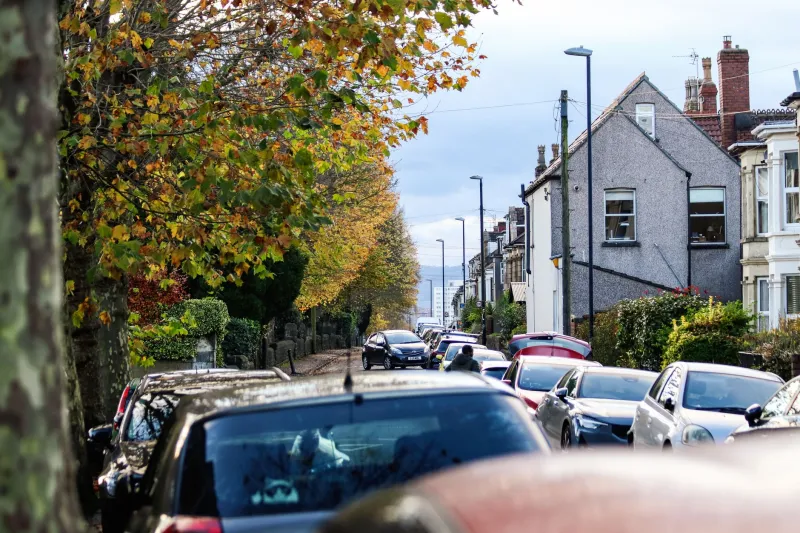
The approach to the street. Buyers notice whether the road feels residential, well kept and easy to navigate. A cluttered frontage or an unclear entrance can make a property feel harder to live in before the buyer has seen inside. Keep the route to the door obvious and free of obstruction.
-
Parking cues. Where will the buyer park, and what does the parking say about daily life? A driveway that is blocked, a garage that cannot be used or a street with evident pressure will be read as a practical problem. Clear the driveway, use the garage if it is usable and make any permit arrangements easy to understand.
-
The front door and its furniture. The door is the handshake of the house. Peeling paint, a stiff lock or a letterbox that has seen better days suggests deferred maintenance. Repaint or clean the door, tighten the handle and ensure the bell works. These are modest costs against the doubt they prevent.
-
The path and steps. Broken paving, slippery leaves and loose handrails are both a safety issue and a presentation issue. In autumn and winter, sweep the path, clear the leaves and check that the steps are visible in low light. A buyer should not have to watch their footing before they have entered the property.
-
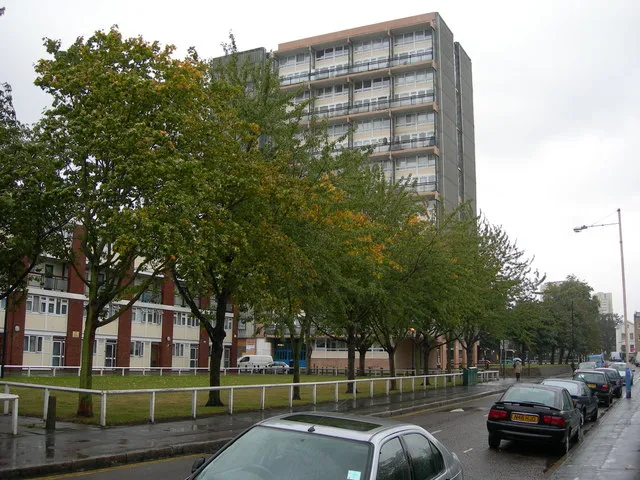
Neighbouring properties. Buyers read the neighbours as part of the street. Overgrown gardens, bins left out or unsympathetic alterations can raise questions about the immediate environment. A seller cannot control a neighbour, but they can ensure their own boundary is tidy and that the property does not appear to be the one that has been neglected.
-
Windows and frames. From the doorstep, windows reveal whether a property has been maintained. Cracked panes, rotten frames, condensation between double glazing and dirty glass all register. Clean the windows, repair obvious defects and make sure curtains or blinds are not hanging awkwardly.
-
Light at the entrance. Darker afternoons in 2026 make entrance lighting essential. A working porch light, a clean lamp or a well-placed external light helps the buyer see the door and the path. It also makes the property feel welcoming rather than closed. Replace failed bulbs before every viewing.
-
House number or name. A missing or obscured number creates a small but real friction. The buyer may have struggled to find the property, and that frustration lingers. Make the number or name visible from the road, particularly after dark.
-
Seasonal presentation. Autumn leaves, wet mats, muddy boots and overflowing gutters are seasonal signals that the buyer will notice. Keep the entrance dry and safe, clear the gutters where accessible and place a clean mat at the door. These details say that the seller is attentive.
-
Sounds and smells before entry. A buyer may hear a dog, a busy road or a neighbouring television before the door opens. They may also notice damp or stale air in a porch. Ventilate the entrance, avoid heavy air fresheners and be honest about any regular noise. Trying to mask a problem is usually less effective than managing it.
-
Security and privacy cues. Visible alarms, cameras, locks and blinds all send signals. Buyers want to feel safe, but they also want to feel that the street is not hostile. A balanced approach is best: working locks, sensible lighting and a clear boundary, without an entrance that feels fortified.
Quick Fixes for Autumn and Winter 2026 Viewings
The most effective preparation is often the least expensive. Sweep the path, clear the leaves, clean the door furniture, replace exterior bulbs and check that the doorbell and locks work. Put away bins and tidy the frontage. If the viewing is after dark, turn on the porch light and leave a warm light in the hallway. These steps do not disguise a problem, but they allow the buyer to assess the property fairly rather than being distracted by avoidable friction.
It is also worth reviewing the approach in daylight before a twilight viewing. A defect that is invisible at 5pm may be obvious at 10am, and a buyer may return for a second viewing in different conditions. Sellers should walk the route from the street to the front door as if they were seeing it for the first time.
What Not to Overdo
A doorstep should not feel staged to the point of suspicion. Excessive lighting, strong scents or a frontage that has been hastily dressed can create the impression that something is being covered up. The aim is care and clarity, not theatre. Buyers are observant, and in 2026 they are accustomed to comparing properties online before they visit. The doorstep should confirm the impression created by the listing, not contradict it.
The Practical Conclusion
A viewing begins at the kerb. The eleven signals above are not a checklist for perfection, but they explain why some properties feel right before the hallway and others do not. Sellers who manage the approach, the parking, the door and the seasonal details give buyers fewer reasons to hesitate. In a market where buyers can afford to be selective, that first minute is worth preparing properly.