The Ledger Never Lies: Pricing a 2026 Home Against Three Decades of Local Sales
Estates Mitchell has maintained a local sales ledger since 1998. It is not a sentimental scrapbook. It is a working record of what buyers have paid for, street by street, across three decades of changing mortgage rates, planning rules and domestic habits. As sellers consider an asking price in 2026, that archive offers something a single valuation cannot: a long view of which home details have consistently attracted a premium and which improvements have quietly failed to earn their keep.
Why the Archive Matters More Than a Single Valuation
A single appraisal is a snapshot. It reflects the mood of the market on the day, the comparable sales an agent can find and the condition of the property in front of them. A long-run local archive is different. It shows repeated patterns across many market cycles, including periods when buyers had more choice and periods when they had less. That matters in 2026 because asking prices are still being tested against affordability, and buyers are quick to discount anything that does not answer a practical need.
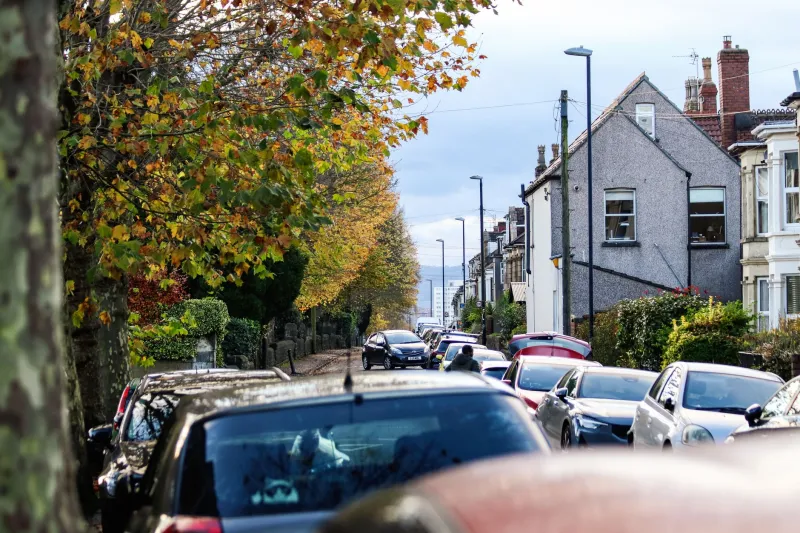
The archive is most useful at street level. A three-bedroom terrace on one road may have commanded a consistent premium over a similar house two streets away for reasons that have little to do with floor area. Parking arrangements, the walk to a school, the orientation of the garden and the quality of daylight are not passing fashions. They appear in sale after sale because they affect daily life. Sellers who understand those patterns can price with more confidence and avoid the slow, costly correction that follows an overambitious launch.
The Details That Have Held Their Value
Off-street parking remains one of the most reliable premiums in the local ledger. This is not simply a matter of convenience. In streets where parking is constrained, a driveway or garage changes the practical experience of living there, and buyers recognise that during viewings. The premium is not unlimited, and an awkward driveway or a garage that cannot fit a modern car will be discounted, but the principle has survived every market condition since 1998.
Daylight is another consistent factor. Buyers may not arrive with a compass, but they notice whether a reception room feels bright at the time of viewing and whether the garden receives sun at the end of the day. South-facing gardens and well-placed windows have repeatedly supported value, particularly in homes where the main living space is otherwise narrow or overlooked. The archive suggests that daylight is difficult to fake and therefore difficult to discount entirely.
School-walk convenience has also held its ground. Catchment areas change, and no seller should imply a guarantee, but the practical distance to a well-regarded primary school has long been reflected in buyer interest. The same is true of a straightforward walk to a station, a shop or a bus route. Buyers pay for routine, not just for square footage.
Garden orientation and usability matter alongside size. A long garden that is overlooked, steeply sloped or difficult to access has rarely commanded the same premium as a smaller garden that is private and easy to use. The ledger shows that buyers value outside space they can imagine using immediately. A garden that requires significant expenditure before it becomes usable is often priced accordingly.
What Fashionable Upgrades Have Failed to Translate
The archive also records cautionary tales. Conservatories provide extra space, but they have not consistently delivered a return proportionate to their cost. Buyers often treat them as seasonal rooms, and some regard them as a maintenance liability. A well-built rear extension is usually read differently because it is integrated into the house. The distinction is not about style. It is about how easily the buyer can use the space every day.
En-suite bathrooms are another example of conditional value. In a larger home they are expected and can support a price. In a smaller property, an en-suite created by sacrificing a bedroom may reduce the number of habitable rooms and narrow the buyer pool. The ledger suggests that buyers count bedrooms carefully, particularly when they need space for children, guests or remote work.
Home offices and garden rooms have become more common, but they do not automatically create a premium. Buyers value a dedicated workspace when it is well insulated, properly wired and easy to use year-round. A shed with a desk and a heater is often treated as a nice extra rather than a price-setting feature. Similarly, smart-home technology and electric vehicle chargers are increasingly expected in some price brackets, but they rarely justify a premium on their own. They are more likely to help a property sell than to raise its ceiling.
Over-personalised decoration is the quietest destroyer of value. Bold colour schemes, structural alterations made for one household and expensive finishes that do not suit the house can make a property harder to price. The archive shows that buyers consistently pay for a sense of order and potential, not for someone else's taste.
Using Street-Level History to Test an Asking Price
A seller can use local sales history before listing. The first step is to ask for evidence from the same street or a closely comparable road, not simply the widest postcode search. The second is to compare like with like: house type, bedroom count, parking, garden orientation and condition. Adjustments should be explicit. A house with no driveway may need a discount against a nearby house that has one, even if the interiors are similar.
This process also helps identify the ceiling. If the best house on a street has never achieved a certain figure, an asking price above that level needs a clear justification, such as a substantial extension or a rare plot. Ambition is not a strategy on its own. In 2026 buyers have access to more information than ever, and they will compare a property against its neighbours before making an offer.
The 2026 Lesson
Three decades of local sales do not produce a formula, but they do produce discipline. The features that have held their value are the ones that make a home easier to live in: parking, daylight, a sensible walk to the places that matter, a garden that works and a layout that does not ask the buyer to compromise too much. Fashionable upgrades can help a sale, but they rarely override fundamentals. Pricing a home in 2026 is best done with one eye on the present market and the other on the ledger.