The Ground Floor Is Part of the Sale: Presenting a Flat Above a Business in 2026

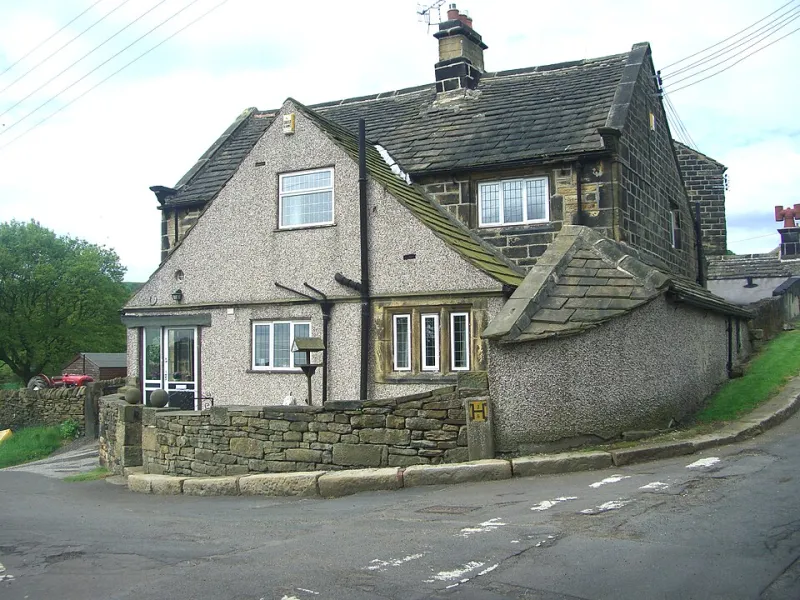
Photo: Frombowen, CC BY-SA 4.0, via Wikimedia Commons
A flat above a shop can be one of the most distinctive homes in a town centre: generous windows, unusual proportions and a location that puts everyday amenities within walking distance. Yet a mixed-use building is rarely judged as a single property. In 2026, buyers, lenders and insurers will look at the residential flat and the commercial unit below as two related but separate risks. The sale is smoother when the seller treats the ground floor as part of the pack, not as an awkward detail to be played down.
Why the building needs its own file
The first question from a broker or solicitor may not concern the flat’s kitchen but the use of the unit beneath it. Residential mortgage lenders often treat flats above or beside commercial premises as a distinct category. Some are comfortable with an office or a quiet retail unit; others are more cautious about hot food, late-night licensing or premises that generate strong cooking odours. Criteria vary and change, so it is unwise to assume that a previous sale or a neighbouring building proves the position. A buyer’s lender will make its own assessment.
Insurance works in a similar way. Buildings cover and common-parts arrangements may need to reflect the commercial element, and a standard owner-occupier policy may not be appropriate without confirmation. The practical response is not to speculate about lender appetite but to assemble clear information so that a broker can give proper advice.
Establish the lawful use first
In England, the use-class system is the starting point. Many commercial units now fall within Class E, but a hot food takeaway may be treated differently, and conditions attached to a planning permission can be decisive. Ask for the lawful use of the unit, the planning permission that supports it and any conditions that restrict opening hours, extraction equipment, deliveries or the sale of particular goods. If the unit has changed hands or been altered, check whether the current use still matches the permission.
Licensing matters too. A café that closes at four in the afternoon presents a different proposition from a premises with a late-night refreshment licence. Ask for the licence summary and any conditions attached to it. If the unit is leasehold, the commercial lease may impose further restrictions that are not obvious from the planning file.
Document what the unit actually does
A buyer will want to understand the rhythm of the building. Prepare a simple schedule covering opening hours, delivery windows, waste collections and any regular servicing of extraction or refrigeration equipment. If the unit operates an extractor fan or ducting, ask for the maintenance records, the planning or landlord consent for the installation and the name of the contractor responsible. Odour and noise are common concerns, and evidence of proper maintenance is more persuasive than reassurance.
Deliveries deserve their own note. Record the times, vehicle types and loading arrangements, particularly where the shop fronts a narrow high street or a conservation area. Bin storage and collection points should also be described, since these often affect shared access and the appearance of the building.
The lease is part of the evidence
For a leasehold flat, the commercial unit may be held on a separate lease with different repairing obligations, service charge provisions and insurance arrangements. Ask for a summary of both leases, the headlease if there is one, and the latest service-charge accounts. Clarify who repairs the roof, the structure, the shopfront, the extraction equipment and the common parts. If the freeholder also owns the business below, ask whether there are any known plans for change.
Fire safety in mixed-use buildings should not be left to guesswork. Common parts, shared entrances and any commercial equipment can affect risk assessments. A buyer’s solicitor will ask questions, and early answers are better than late ones.
Present the flat as a home first
A flat above a business can offer space, light, high ceilings and a central position that purpose-built alternatives struggle to match. Show the residential strengths plainly: room flow, storage, natural light, transport links, local amenities and any recent improvements. If the flat has a separate entrance, sound insulation or a private outdoor space, say so and support it with detail.
An energy performance certificate, service-charge history and clear information about the building’s management will help the flat stand on its own merits. The aim is not to pretend the commercial unit is invisible. It is to ensure that the home is not defined solely by what happens downstairs.
Address the trade-offs directly
Noise, cooking smells, deliveries, footfall and evening activity are legitimate buyer concerns. The objective is not to deny them but to make them measurable. A written note of typical trading hours, delivery times and extraction maintenance gives buyers something concrete to consider. If there has been a complaint or dispute about noise, odour or access, take advice on disclosure and deal with it through the usual property information process rather than leaving it to be discovered later.
A second viewing at a busy time can be more useful than a quiet Saturday morning appointment. Buyers who understand the pattern of the building are less likely to withdraw once solicitors become involved.
Price against the right comparables
Mixed-use flats appeal to first-time buyers, downsizers, town-centre workers and investors, but the buyer pool is narrower than for a standard purpose-built flat. Pricing should reflect evidence from similar mixed-use properties, not only from ordinary residential blocks. A realistic asking price is not a penalty imposed for the commercial unit; it is an acknowledgement of how the market values that combination of location, layout and building risk.
Before marketing, assemble the file: lawful use, planning conditions, licence summary, opening hours, delivery schedule, extraction records, lease summaries, service-charge accounts, insurance details, fire-safety information and any history of disputes. At Estates Mitchell, we would rather answer these questions in the first week than lose a buyer in the sixth. A flat above a business can be a sound and characterful home, and in 2026 the most reliable route to completion is to explain the whole building clearly.