The Remediation Dossier: Selling a Flat in a Building With Cladding Works in 2026
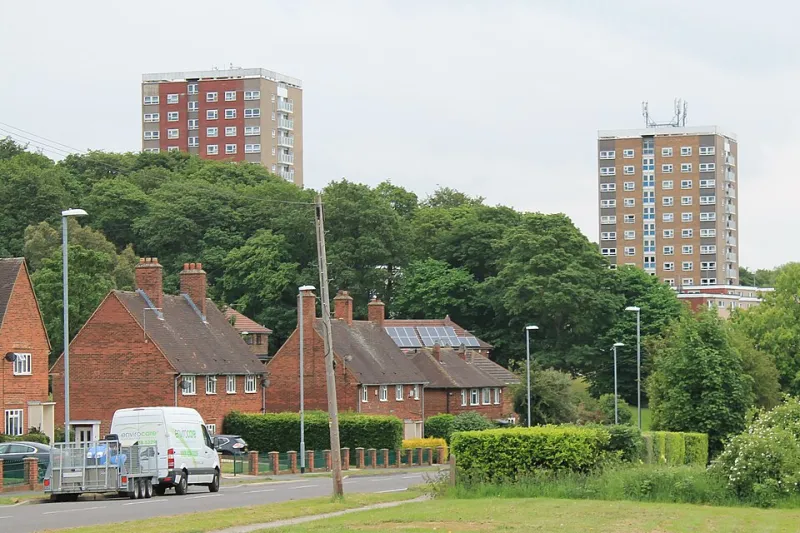
Photo: Simon Cobb, CC0, via Wikimedia Commons
The sale of a flat in a building with external wall remediation is no longer simply a question of price and lease length. In 2026, buyers, conveyancers and lenders will look for evidence that the building's safety position is understood, funded and progressing. For a seller, the practical task is to assemble a coherent dossier before the property is marketed, rather than waiting for enquiries to expose gaps.
Why the question persists
The Building Safety Act 2022 changed the framework for higher-risk buildings and introduced greater scrutiny of external wall systems. It did not make every flat sale difficult. It did, however, make lenders more careful about buildings where cladding, insulation or other fire-safety defects have been identified. A valuer acting for a mortgage lender may recommend a retention or decline the property if the evidence is thin. That outcome is often avoidable when the seller can show a documented plan.
The core documents buyers and lenders expect
There is no single statutory certificate that answers every question. The market instead looks for a bundle of evidence from the responsible person, managing agent or freeholder. A well-prepared seller should ask for:
- The current fire risk assessment for the building, including any assessment of external walls.
- A Fire Risk Appraisal of External Walls, often prepared under PAS 9980, where one has been commissioned.
- Any EWS1 form that exists. It is not a legal requirement for every building, but lenders and buyers may still ask for it.
- The remediation plan, setting out the scope of works, the contractor, the anticipated start date and the expected completion date.
- Evidence of funding, such as a developer remediation contract, a building safety fund agreement or another confirmed funding route.
- The building safety case report where the building falls within the higher-risk regime.
- Landlord and leaseholder certificates under the Building Safety Act leaseholder protections, where applicable.
- Service charge accounts and budget information showing how remediation costs are being met and whether any cost has been passed to leaseholders.
- Completion certificates, warranties and insurance details for works already completed.
A seller should not attempt to create a certificate or interpret technical documents without professional advice. The strength of the dossier lies in its provenance: it should come from the people legally responsible for the building.
Presenting timelines honestly
Vague assurances that works will be completed soon carry little weight in 2026. A credible timeline will distinguish between investigation, design, procurement and construction. It will give dated milestones and explain any known delay. If the building is awaiting a Building Safety Regulator decision or a contractor start date, that should be stated plainly.
Honesty here is not a marketing weakness. A buyer who discovers an unrealistic timetable after agreeing a price is more likely to renegotiate or withdraw. A seller who presents a realistic programme, with contingency, gives the buyer something to assess. The same applies to costs: where leaseholders are protected from remediation costs, that should be evidenced rather than asserted.
The mortgage stage
Most difficulties arise after a buyer's offer is accepted, when the lender instructs a valuation and the conveyancer raises enquiries. A seller can reduce the risk by preparing a short summary sheet for the agent to share with serious buyers. The sheet should list the documents available, the remediation status and the contact details of the managing agent. It should not replace legal disclosure, but it can prompt the right questions early.
Sellers should also check that the managing agent can respond promptly. A pack that exists but cannot be obtained within the buyer's mortgage timetable is of limited use. If the freeholder or agent charges for providing information, that cost should be established at the outset.
What to do before listing
Before instructing an agent, request the current safety file and read it for consistency. Check names, dates and service charge figures. Ask the managing agent whether any new assessment or funding decision is expected in the next few months. If the lease is a qualifying lease under the Building Safety Act, confirm that the necessary certificates are available.
A flat in a remediation building can be sold in 2026. It is more likely to sell smoothly when the seller treats the safety file as part of the property's paperwork, alongside the lease and title, rather than as an awkward subject to be raised late.